


ICE Arrests Wife of U.S. Army Sergeant During Scheduled Immigration Appointment
- Caridad Bene

- 1 hour ago
- 3 min read
The recent arrest of a U.S. Army sergeant’s wife by Immigration and Customs Enforcement (ICE) agents during a scheduled immigration appointment has sparked widespread concern and debate. This incident raises important questions about the treatment of military families, immigration enforcement practices, and the balance between national security and human rights.

What Happened During the Appointment
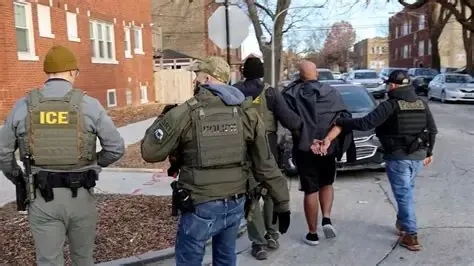
The wife of a U.S. Army sergeant attended a routine immigration appointment as part of her legal process. Instead of a standard meeting, ICE agents arrested her on-site. This unexpected action shocked the military community and advocates for immigrant rights. The arrest took place despite her compliance with all legal requirements and scheduled appearance.
This case highlights the tension between immigration enforcement and the lives of military families who contribute to the country’s defense. The sergeant’s family had expected the appointment to be a step toward resolving immigration status, not a confrontation with law enforcement.
Impact on Military Families
Military families often face unique challenges, including frequent relocations and the stress of deployment. When immigration enforcement disrupts these families, it adds emotional and logistical burdens. The arrest of a service member’s spouse during a legal appointment can:
Undermine the morale of the service member
Create financial hardship due to legal fees and loss of income
Cause emotional distress for children and relatives
Raise concerns about fairness and respect for military contributions
This incident has led to calls for clearer policies that protect military families from aggressive immigration actions during routine legal processes.
Legal and Policy Considerations
The arrest during a scheduled appointment raises questions about ICE’s enforcement priorities and procedures. Immigration appointments are typically designed to allow individuals to comply with legal requirements without fear of immediate detention. Arresting someone in this context may discourage others from attending appointments, potentially leading to more legal complications.
Legal experts argue that enforcement actions should consider:
The individual’s ties to the community, including military family status
The potential impact on national security and public interest
Alternatives to detention, such as supervised release or bond
Some advocates suggest that Congress and the Department of Homeland Security review policies to ensure that military families receive special consideration during immigration enforcement.
Public Reaction and Advocacy
The arrest has drawn attention from veterans’ groups, immigrant rights organizations, and lawmakers. Many express concern that such actions damage trust between immigrant communities and government agencies. They argue that military families deserve respect and protection, given their sacrifices.
Advocacy groups are pushing for:
Clear guidelines preventing ICE from arresting military family members during legal appointments
Increased transparency in enforcement actions
Support services for families affected by immigration detention
These efforts aim to balance enforcement with compassion and recognition of military service.
What This Means for Others Facing Immigration Issues
For immigrants with family members in the military, this case serves as a warning to stay informed about their rights and potential risks during immigration processes. It is crucial to:
Attend all scheduled appointments and maintain communication with immigration authorities
Seek legal advice from qualified immigration attorneys
Understand the protections and limitations related to military family status
Being proactive can help reduce the risk of unexpected enforcement actions and support a smoother immigration process.
Moving Forward: Balancing Enforcement and Compassion
This incident underscores the need for immigration enforcement to be fair and sensitive to the circumstances of those involved. Military families contribute significantly to the nation’s security and community life. Enforcement policies should reflect this reality by:
Avoiding arrests during routine legal appointments when possible
Providing clear communication and support to affected families
Ensuring that enforcement actions do not unnecessarily disrupt military service or family stability
By adopting these approaches, immigration authorities can maintain security while respecting the dignity and contributions of military families.


Comments